

Finance for Beginners
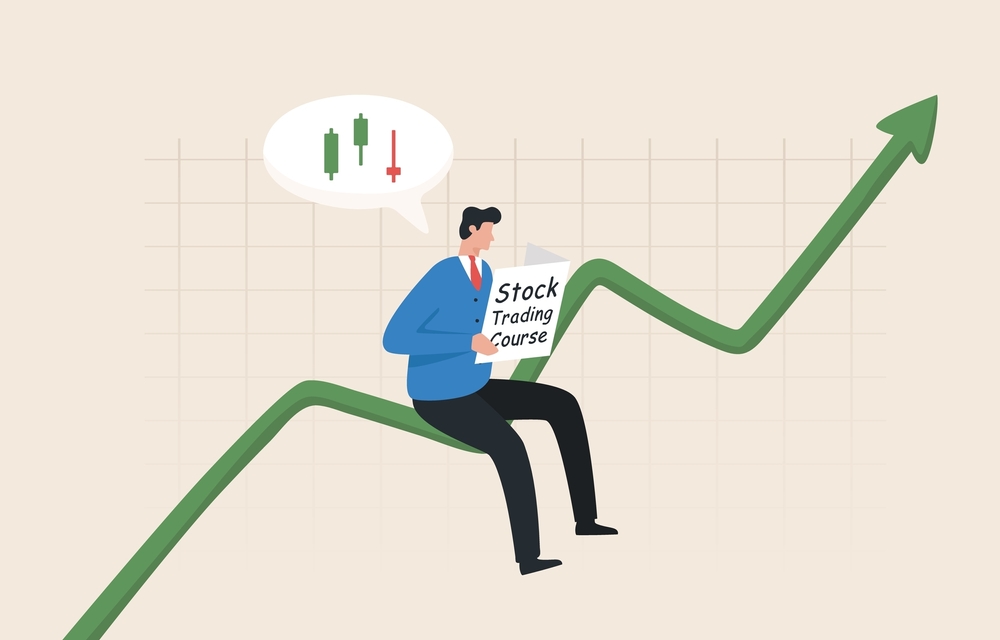
Earning a paycheck is one thing. Making your money grow while you sleep is something else entirely. That's the promise of investing — and while it comes with risk, it remains the most reliable path to long-term wealth that exists. Here's what you need to know to start building yours.
Why You Must Invest (Not Just Save)
Keeping your money in a savings account feels safe, and for short-term needs, it is. But over the long term, inflation quietly erodes the purchasing power of cash. If inflation runs at 3% per year and your savings account earns 0.5%, you're effectively *losing* wealth every year.
Investing puts your money into assets that have the potential to grow faster than inflation — things like stocks, bonds, real estate, and funds. The earlier you start, the more time your money has to compound and multiply.
The Foundation: Compound Growth
Albert Einstein reportedly called compound interest the "eighth wonder of the world." Whether or not he said it, the math is genuinely remarkable.
If you invest $10,000 at an average 8% annual return:
- After 10 years: ~$21,600
- After 20 years: ~$46,600
- After 30 years: ~$100,600
You didn't add a single extra dollar — the growth came entirely from compounding. Starting early matters far more than starting with a large amount.
The Core Investment Types
Stocks represent ownership in a company. When a company grows, so does the value of your shares. Stocks carry higher risk but historically deliver higher long-term returns — the U.S. stock market has averaged roughly 7–10% annually over the past century.
Bonds are essentially loans you make to governments or corporations in exchange for regular interest payments. They're more stable than stocks but grow more slowly. Bonds are useful for balancing risk in a portfolio.
Index Funds & ETFs are collections of stocks or bonds bundled together. hundreds of picking individual companies, you own a small slice of hundreds at once. They're low-cost, well-diversified, and widely regarded by financial experts as the smartest choice for most everyday investors.
Real Estate can generate wealth through rental income and property appreciation. It requires more capital and active management than financial assets, but it has the added benefit of being a tangible asset.
Diversification: Don't Put All Your Eggs in One Basket
Spreading your investments across different asset types, industries, and geographies is called diversification. If one sector crashes, others can cushion the blow. A well-diversified portfolio won't make you rich overnight, but it significantly reduces the chance of catastrophic loss.
Index funds and ETFs make diversification easy — even a single broad-market index fund gives you exposure to hundreds of companies at once.
Commonwealth-Building Strategies
The 'Pay Yourself First' Rule: Before spending anything, automatically transfer a set percentage of your income into investments. Treat it like a bill you must pay. Even 10–15% of your income, invested consistently over decades, can build significant wealth.
Dollar-Cost Averaging: Invest a fixed amount on a regular schedule, regardless of market conditions. When prices are low, you buy more shares; when prices are high, you buy fewer. Over time, this smooths out the volatility and removes the temptation to "time the market."
Maximize Tax-Advantaged Accounts: Retirement accounts like 401(k)s and IRAs offer significant tax benefits — either tax-free growth or tax deductions today. Maximizing contributions to these accounts before investing in taxable accounts is almost always the smarter move.
What to Avoid
The most common investing mistakes aren't about picking the wrong stock — they're behavioral. Panic-selling during a market downturn lock in losses. Chasing "hot" investments after they've already surged usually ends in disappointment. And waiting for the "perfect time" to invest often means never investing at all.
The evidence is clear: time in the market consistently beats timing the market.
Building Wealth Is a Marathon, not a Sprint
True wealth is built steadily, over years and decades, through consistent investing, smart risk management, and patience. You don't need to pick the next Amazon or predict market movements. You need a solid strategy, the discipline to stick with it, and the wisdom to let time do the heavy lifting.
Start where you are, with what you have. The wealth you build tomorrow begins with the decision you make today.